Crafting with Nature: Plant-Based Dye Ingredients You Can Find at Home
Introduction to Plant-Based Dyes
In recent years, there has been a growing interest in sustainable crafting methods. One fascinating area is the use of plant-based dyes. These natural dyes offer a beautiful and eco-friendly alternative to synthetic options and can often be created with ingredients found right in your own home.
Embracing plant-based dyes not only adds a unique touch to your crafts but also contributes to a more sustainable lifestyle. Let's explore some common ingredients that can be used to create your own natural dyes.

Fruits and Vegetables
Beetroot
Beetroot is a popular choice for achieving vibrant pink and red hues. Simply boil chopped beetroot in water to extract its rich color. This dye works wonderfully on fabrics like cotton and wool.
Turmeric
For a bright yellow color, turmeric is an excellent choice. This common kitchen spice can be boiled in water to create a dye that imparts a sunny hue to natural fibers.

Flowers and Leaves
Hibiscus Flowers
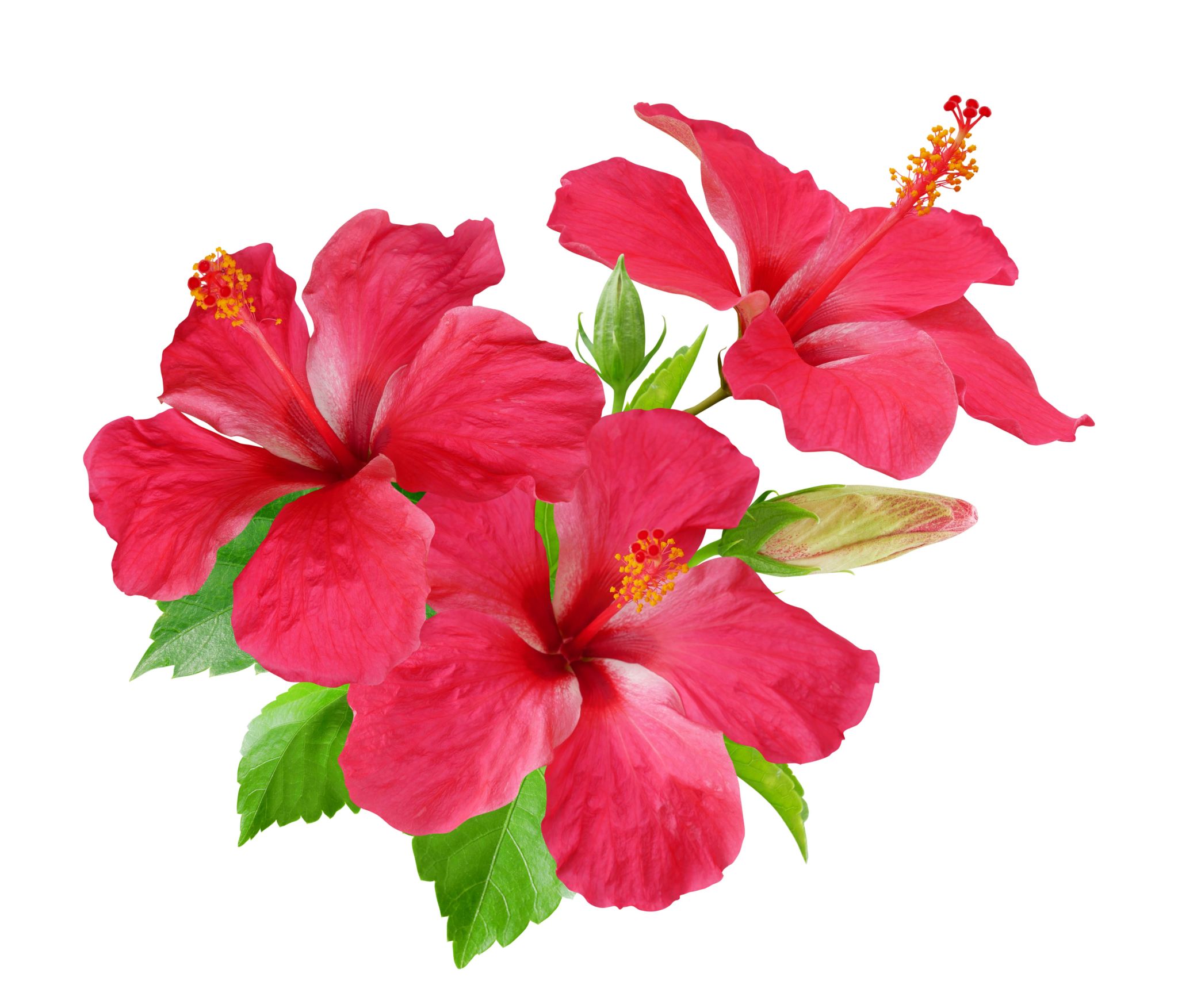
Hibiscus flowers can produce a beautiful range of colors from pinks to purples. By simmering the flowers in water, you can extract a dye that's perfect for a variety of crafts.
Spinach Leaves
Spinach leaves are known for their ability to produce a soft green dye. This gentle color is ideal for creating a subtle, natural look on fabrics.
Herbs and Spices
Saffron
Saffron, while more expensive, yields a stunning golden-yellow dye. A little goes a long way, and its vibrant color can enhance many crafting projects.
Paprika
Paprika can be used to create a warm orange-red dye. By simmering the spice in water, you can easily extract its color for use in various applications.

Conclusion
Crafting with nature through plant-based dyes is a rewarding and environmentally friendly practice. Whether you're using fruits, vegetables, flowers, or herbs, you can create stunning colors with ingredients readily available at home. Not only does this approach support sustainability, but it also allows for endless creativity and experimentation.
Next time you're looking to add a splash of color to your projects, consider turning to your pantry or garden for inspiration. You'll find that the natural world offers a delightful palette of hues just waiting to be explored.