DIY Plant-Based Dyes: Using Mimosa Hostilis for Vibrant Colors
In the world of DIY and sustainable living, plant-based dyes have gained popularity for their eco-friendly nature and vibrant results. Among these, using Mimosa Hostilis root bark stands out for its ability to produce a rich array of colors. This guide will walk you through the process of creating your own plant-based dyes.

Understanding Mimosa Hostilis
Mimosa Hostilis, also known as Jurema or Tepezcohuite, is a plant native to Brazil and Mexico. The root bark of this plant has been used traditionally for medicinal purposes and is now gaining attention for its dyeing capabilities. The bark contains natural tannins that are perfect for creating deep, lasting colors.
Benefits of Plant-Based Dyes
Plant-based dyes offer a sustainable alternative to synthetic dyes, which often contain harmful chemicals. By using natural dyes, you can reduce your environmental impact and create beautiful, one-of-a-kind fabrics. Mimosa Hostilis in particular provides a spectrum of shades, from warm pinks to deep purples, depending on the mordant and fabric used.
Preparing Your Materials
Before you begin, gather the necessary materials:
- Mimosa Hostilis root bark powder
- A large pot for dyeing
- Water
- Fabric or yarn
- Mordant (such as alum or vinegar)

Choosing Your Fabric
The choice of fabric greatly affects the outcome of your dyeing project. Natural fibers like cotton, wool, and silk take dye more readily and produce more vibrant results than synthetic fabrics. Pre-washing your fabric is crucial to remove any residues that might interfere with dye absorption.
The Dyeing Process
Follow these steps to create your own Mimosa Hostilis dye:
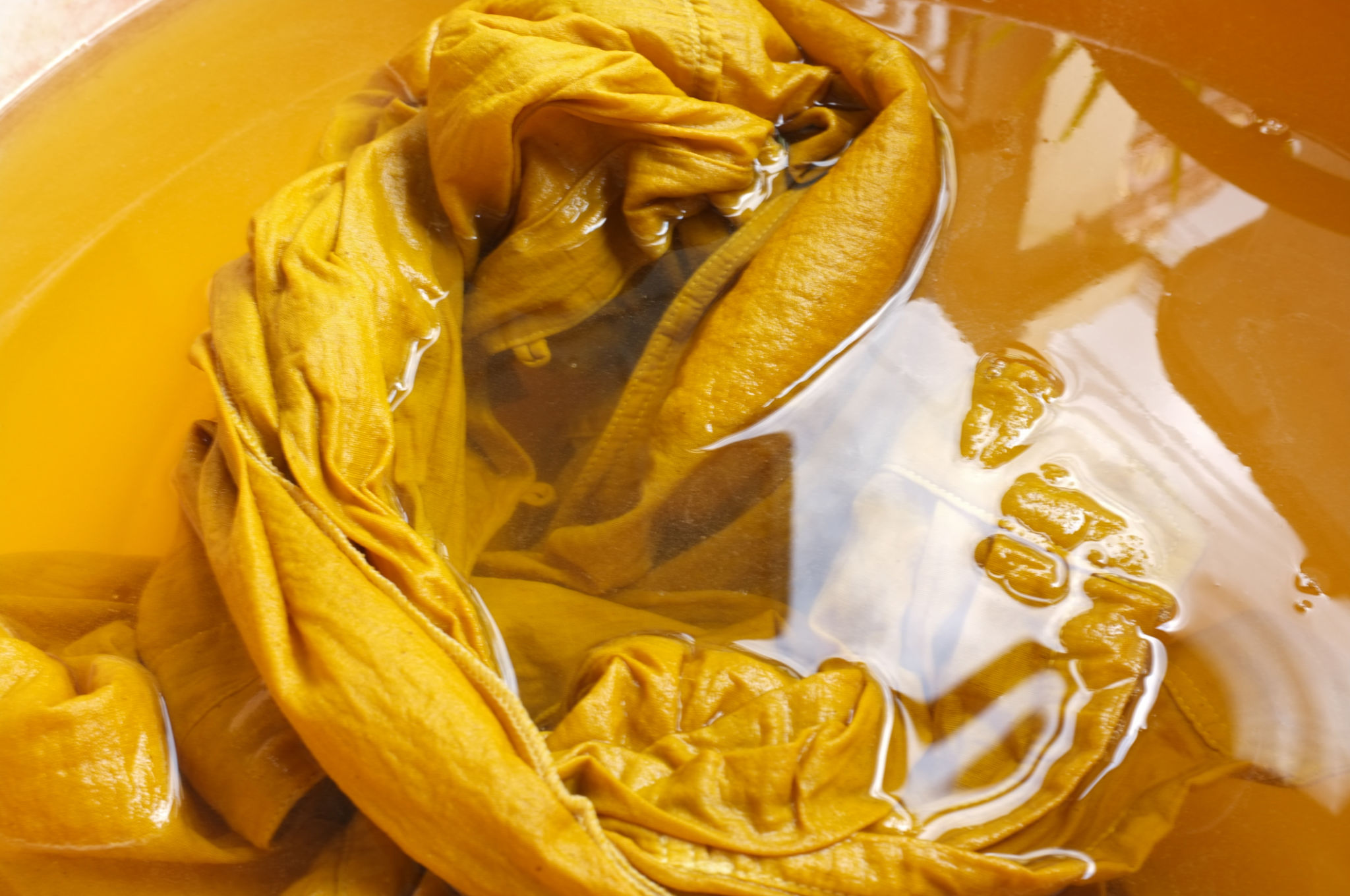
- Prepare the Dye Bath: Add Mimosa Hostilis powder to a pot of water and bring to a simmer. Allow it to steep until the water reaches your desired color intensity.
- Prepare the Fabric: While the dye bath steeps, soak your fabric in a mordant solution. This helps the dye bind to the fabric fibers.
- Dye the Fabric: Add the mordanted fabric to the dye bath and simmer for about an hour, stirring occasionally.
- Rinse and Dry: Once the desired color is achieved, rinse the fabric in cold water and hang it to dry away from direct sunlight.
Experimenting with Mordants
The mordant you choose can significantly alter the final color. For instance, alum tends to produce brighter shades, while vinegar can deepen the tones. Experimenting with different mordants can create a wide palette of colors from the same batch of dye.
Caring for Your Dyed Fabrics
To ensure the longevity of your plant-dyed fabrics, wash them gently by hand with mild detergent. Avoid exposure to direct sunlight for extended periods to prevent fading. With proper care, your plant-based dyed fabrics can remain vibrant for years.
Using Mimosa Hostilis for DIY plant-based dyes not only allows you to explore natural color creation but also contributes to sustainable practices. Enjoy the process of experimenting and creating your own unique, eco-friendly textiles.