Expert Insights: The Science Behind Mimosa Tenuiflora’s Healing Properties
Understanding Mimosa Tenuiflora
Mimosa Tenuiflora, often known as the "skin tree," has been revered for its remarkable healing properties. Native to regions such as Brazil and Mexico, this plant has been utilized for centuries in traditional medicine. Its bark is particularly valued for its ability to treat a range of skin ailments and injuries.
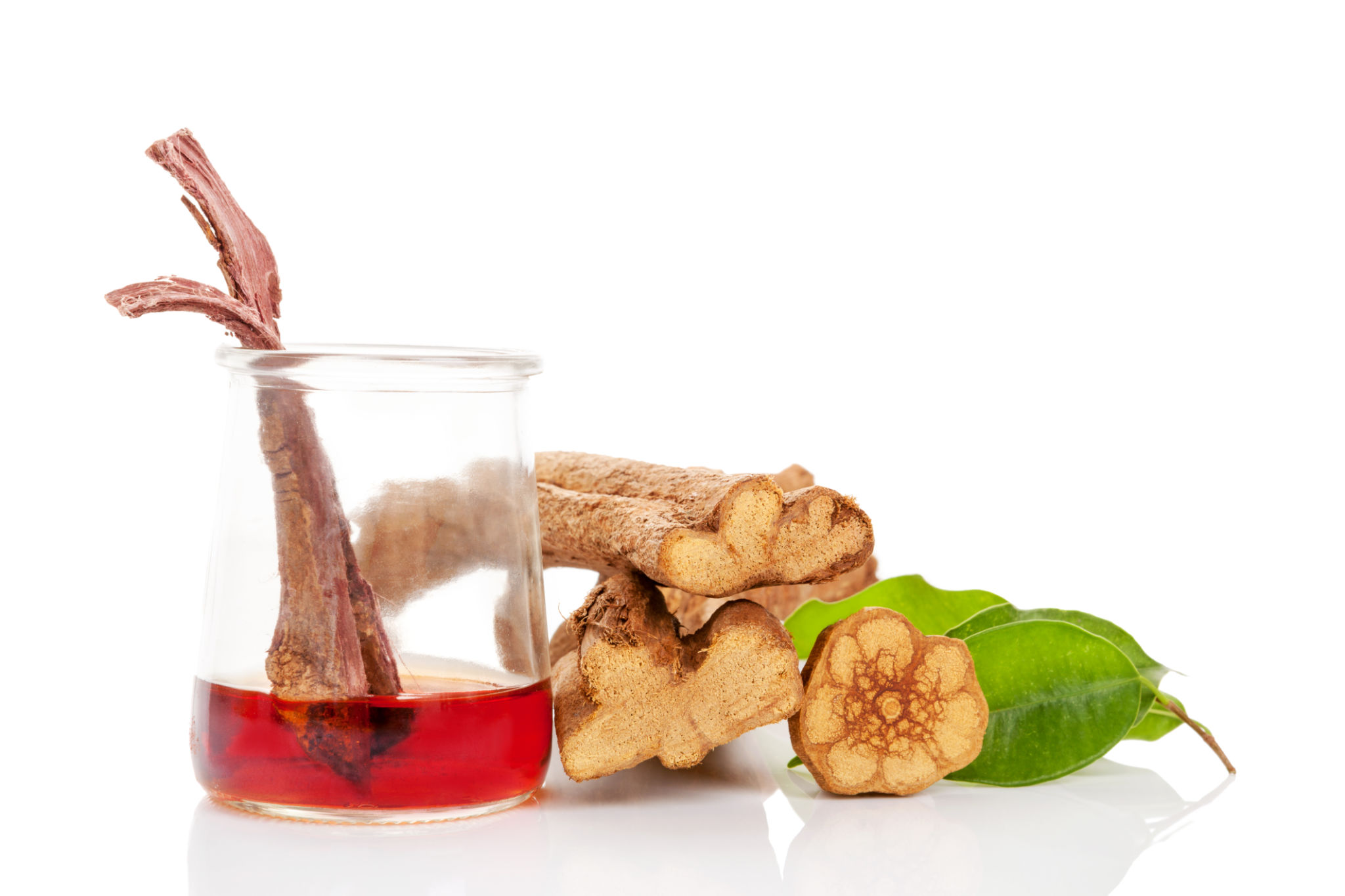
The scientific community has taken an interest in exploring the mechanisms behind these healing properties. As research progresses, the compounds within Mimosa Tenuiflora are being understood with greater clarity, offering insights into its effectiveness.
The Active Compounds
One of the key elements contributing to the healing properties of Mimosa Tenuiflora is its rich concentration of tannins. These compounds are known for their astringent qualities, which help in wound healing by contracting tissues and reducing inflammation. Additionally, the bark contains flavonoids, which are powerful antioxidants that protect cells from damage.
Other significant components include alkaloids and lipids, which contribute to its antimicrobial properties. This combination of compounds makes Mimosa Tenuiflora a potent natural remedy for various dermatological conditions.
Historical Uses
Traditionally, indigenous cultures used the bark of Mimosa Tenuiflora to treat burns, skin infections, and even complex skin conditions like psoriasis. The plant's applications were not limited to external use; it was also employed in teas and tinctures for internal healing.

These historical uses have laid the groundwork for modern applications, with many contemporary products incorporating Mimosa Tenuiflora for its beneficial effects on the skin.
Modern Scientific Research
Recent studies have focused on the plant's ability to stimulate collagen production, which is essential for skin repair and rejuvenation. This has made it a popular ingredient in cosmetic formulations aimed at reducing the signs of aging and promoting skin elasticity.
Moreover, its antimicrobial properties are being harnessed in the development of natural antiseptic products, offering an alternative to synthetic chemicals often found in skincare.

Applications in Skincare
With the growing demand for natural and organic skincare products, Mimosa Tenuiflora has found its place in a variety of creams, serums, and ointments. Its ability to soothe and repair damaged skin makes it a sought-after ingredient for people with sensitive skin.
- Anti-aging products: Leveraging its collagen-boosting properties.
- Acne treatments: Utilizing its anti-inflammatory and antimicrobial benefits.
- Wound care: Supporting healing and reducing scarring.
These applications highlight the versatility of Mimosa Tenuiflora in addressing a wide range of skin concerns.
Future Prospects
The ongoing research into Mimosa Tenuiflora's properties suggests a bright future for its use in both medical and cosmetic industries. As the demand for sustainable and effective natural remedies continues to rise, this plant is likely to remain at the forefront of innovative skincare solutions.
With its historical roots and modern scientific backing, Mimosa Tenuiflora stands as a testament to nature’s ability to heal and protect.