Exploring the Role of Mimosa Hostilis in Traditional Practices
Introduction to Mimosa Hostilis
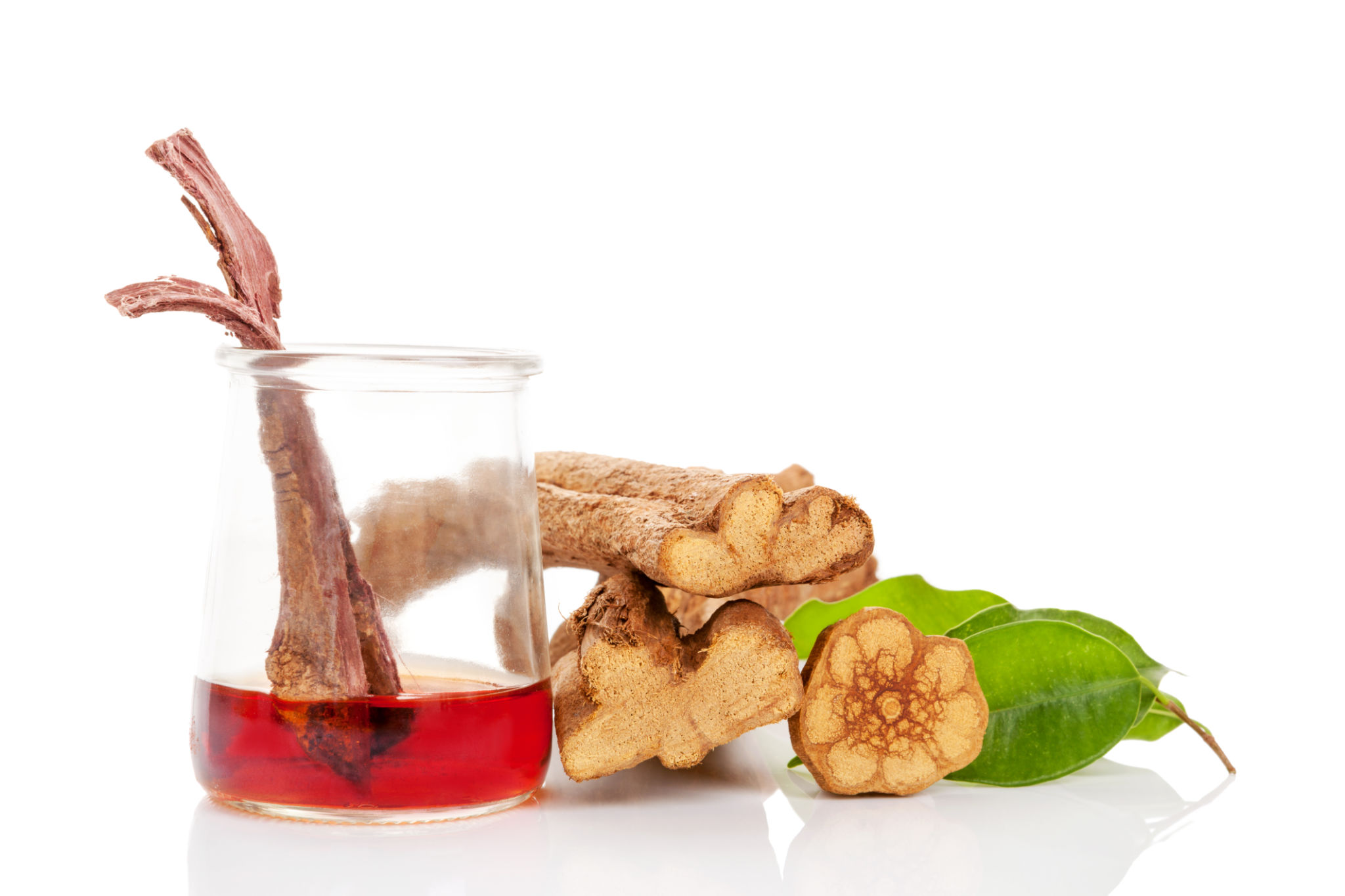
Mimosa Hostilis, also known as Jurema, is a plant native to Brazil and parts of Central America. It has been revered for centuries due to its various uses in traditional practices. The root bark of this plant is especially valued for its therapeutic properties and vibrant dyeing capabilities.
Cultural Significance
In many indigenous cultures, Mimosa Hostilis holds a central place in spiritual and healing rituals. Tribes in northeastern Brazil have used it for generations in sacred ceremonies, believing in its ability to connect them with the spiritual world. The plant is often utilized in the preparation of a ceremonial drink known as "Vinho de Jurema."
The use of Mimosa Hostilis in these contexts underscores its importance in preserving cultural heritage and traditional knowledge. It serves as a bridge between the physical and metaphysical realms, facilitating a deeper understanding of the universe.
Medicinal Uses
Beyond its spiritual applications, Mimosa Hostilis is noted for its medicinal benefits. Traditionally, it has been used to treat various ailments, from skin conditions to digestive issues. The plant's root bark is particularly esteemed for its antibacterial and anti-inflammatory properties.
Many traditional healers create ointments and tinctures from the root bark to promote wound healing and reduce pain. Such practices highlight the plant's role in holistic health approaches that integrate natural remedies.

Dyeing and Craftsmanship
Another fascinating aspect of Mimosa Hostilis is its use in dyeing. The root bark produces a rich, deep color that has been used for centuries to dye textiles and other materials. This natural dye is appreciated for its durability and vibrant hue, making it a favorite among artisans.
Artisanal communities continue to employ traditional dyeing techniques, preserving age-old methods while producing beautiful, sustainable products. The resurgence of interest in natural dyes has brought Mimosa Hostilis back into the spotlight, promoting eco-friendly practices in the textile industry.
Environmental Impact
With the growing interest in sustainable practices, Mimosa Hostilis has become a symbol of eco-conscious living. Its cultivation and usage have minimal environmental impact, making it a preferred choice for those looking to reduce their ecological footprint.
Farmers and gatherers of Mimosa Hostilis practice sustainable harvesting to ensure that the plant thrives for future generations. This commitment to environmental stewardship reflects a broader trend toward sustainability in traditional practices.

Conclusion
Mimosa Hostilis is more than just a plant; it embodies a rich tapestry of cultural, medicinal, and ecological significance. Its role in traditional practices highlights the wisdom of indigenous knowledge and the potential for modern applications.
As interest grows in natural and sustainable practices, the legacy of Mimosa Hostilis continues to inspire and educate. Its enduring importance serves as a reminder of the value of preserving and respecting traditional wisdom.