How to Use Mimosa Hostilis Powder for Dyeing: A Step-by-Step Tutorial
Introduction to Mimosa Hostilis Powder
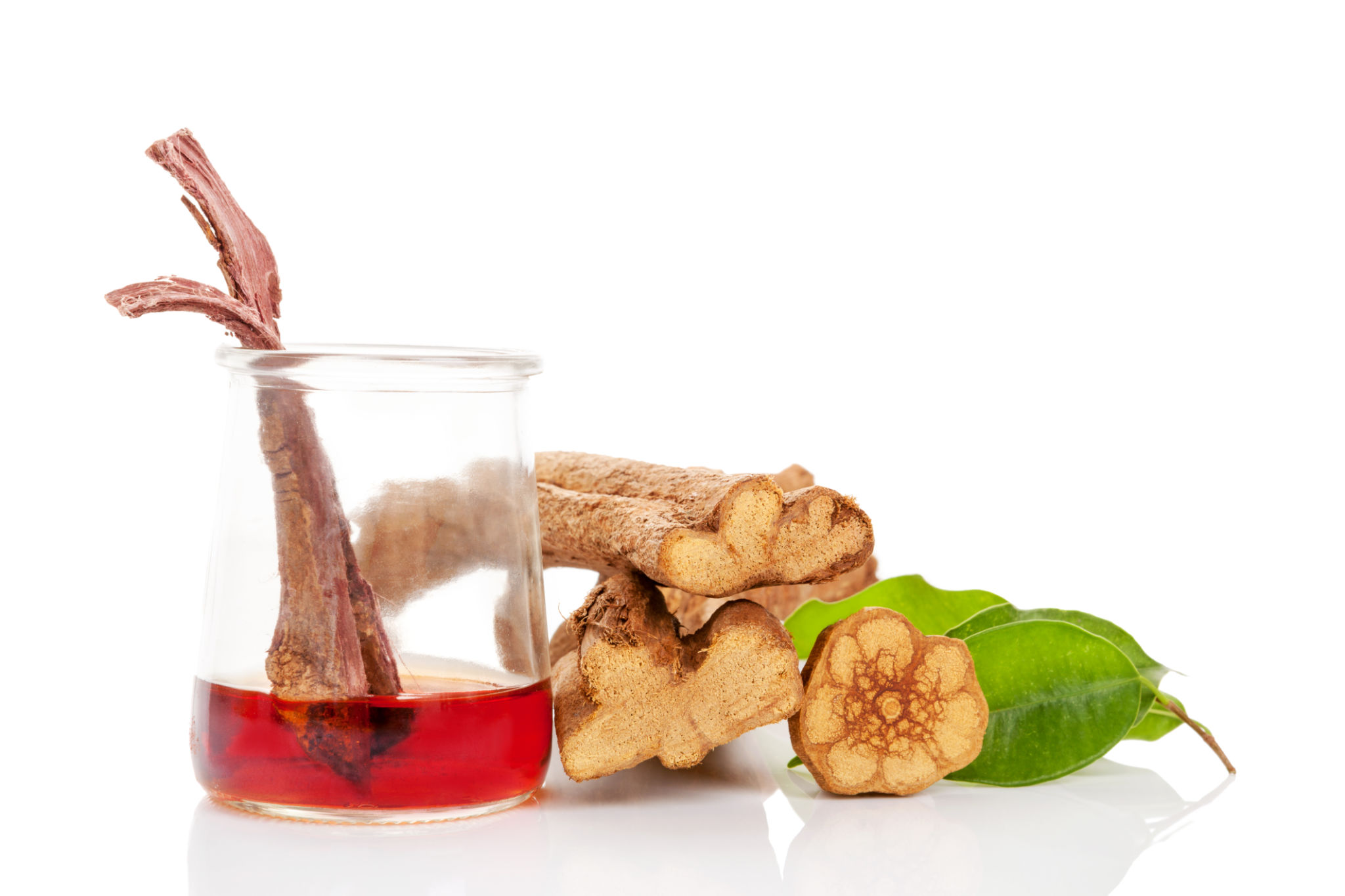
Mimosa hostilis, also known as jurema preta, is a versatile plant known for its applications in dyeing, arts, and crafts. The powder derived from its root bark is renowned for its vibrant colors, making it a favorite among natural dye enthusiasts. In this tutorial, you'll learn how to use Mimosa hostilis powder for dyeing fabric effectively.
Materials Needed
Before diving into the dyeing process, make sure you have all the necessary materials. Here's a list to get you started:
- Mimosa hostilis root bark powder
- Natural fabric (cotton, linen, or silk)
- Large pot
- Water
- Stirring stick
- Optional: Salt or vinegar for mordant
Preparing the Fabric
Prepping your fabric is crucial for achieving the best results. Start by washing the fabric to remove any impurities or sizing agents that might interfere with dye absorption. If you're using a mordant, soak the fabric in a solution of water and either salt or vinegar. This step helps the dye adhere more effectively.

Creating the Dye Bath
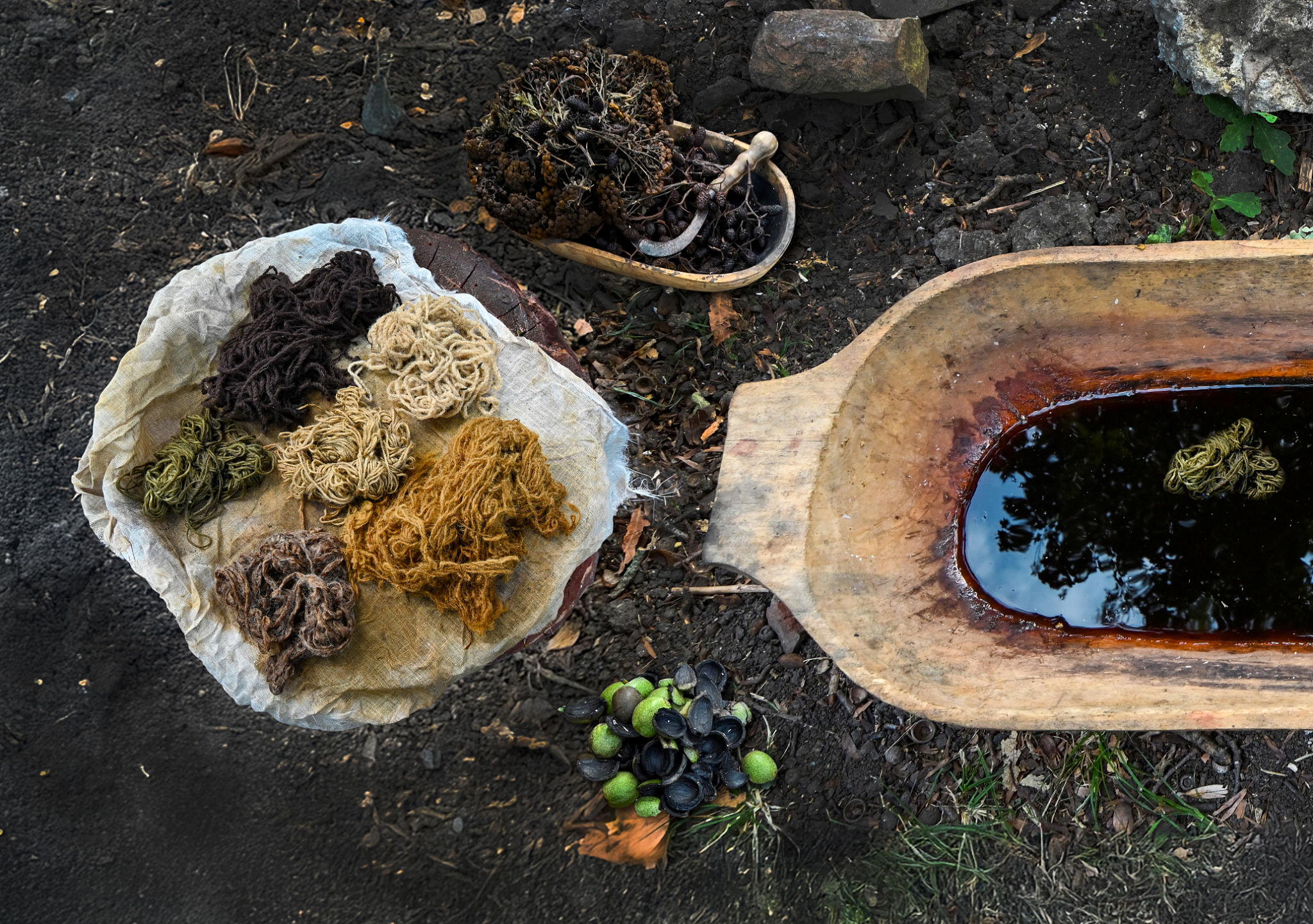
To create the dye bath, fill a large pot with water and add the Mimosa hostilis powder. A general rule of thumb is to use about one tablespoon of powder per liter of water. Stir the mixture well to ensure the powder is fully dissolved. Heat the pot on medium heat and let it simmer for about an hour.
Dyeing the Fabric
Once your dye bath is ready, submerge the prepped fabric into the pot. Use a stirring stick to move the fabric around, ensuring even coverage. Let the fabric simmer in the dye bath for at least an hour. For deeper colors, consider letting it sit longer, even overnight if desired.
Rinsing and Drying
After achieving the desired shade, remove the fabric from the dye bath and rinse it under cold water until the water runs clear. This step helps remove any excess dye. Gently squeeze out excess water and hang the fabric to dry in a shaded area to prevent fading.
Caring for Dyed Fabrics
To maintain the vibrancy of your dyed fabric, wash it separately in cold water with a mild detergent. Avoid harsh chemicals and direct sunlight, as they can cause fading over time. With proper care, your naturally dyed fabrics will remain vibrant for years.
Conclusion
Dyeing with Mimosa hostilis powder is a rewarding process that yields beautiful, natural colors. By following these steps, you can create unique pieces that reflect the beauty of nature. Experiment with different fabrics and soaking times to discover a wide range of hues and intensities.