Seasonal Ethnobotanical Trends: What's Popular Right Now
Exploring Seasonal Ethnobotanical Trends
As the seasons change, so do the trends in ethnobotany. This fascinating field explores the relationship between humans and plants, focusing on how different cultures use flora for medicinal, culinary, and spiritual purposes. In recent years, there's been a resurgence of interest in traditional plant knowledge, driven by a growing desire for natural and sustainable lifestyles.

Spring: A Time for Renewal
Spring is synonymous with renewal and growth, making it the perfect time to explore plants that symbolize these themes. Herbs like nettle and dandelion are popular for their detoxifying properties, often used in teas and tonics to cleanse the body after winter. Additionally, elderflower, known for its delicate flavor, is a seasonal favorite in syrups and cordials.
Another trend is the use of wild garlic, which blooms in spring. It's celebrated for its culinary versatility and health benefits, such as boosting immunity and improving digestion. These plants not only enhance dishes but also connect us to traditional foraging practices.

Summer: Embracing Abundance
Summer brings an abundance of fruits and flowers, and with it, a focus on vibrant, healing botanicals. Calendula, often called "sunshine in a flower," is widely used for its skin-soothing properties. It's a common ingredient in natural skincare products, prized for its anti-inflammatory and healing effects.
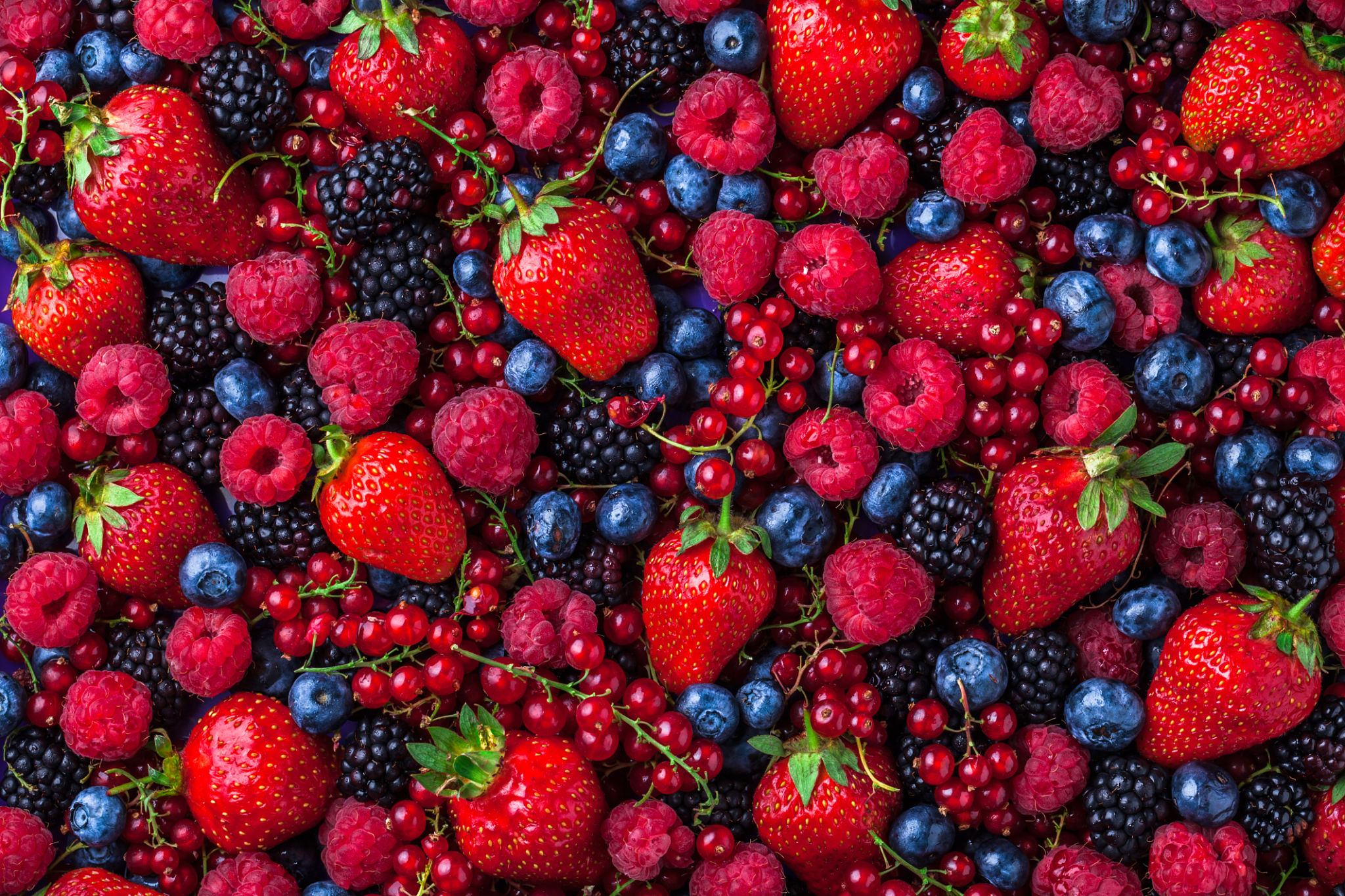
The popularity of berries, particularly elderberries and goji berries, also rises in the summer. These berries are celebrated for their high antioxidant content and are often incorporated into supplements and health drinks. They align with the seasonal ethos of vitality and energy.
Autumn: Harvesting Wellness
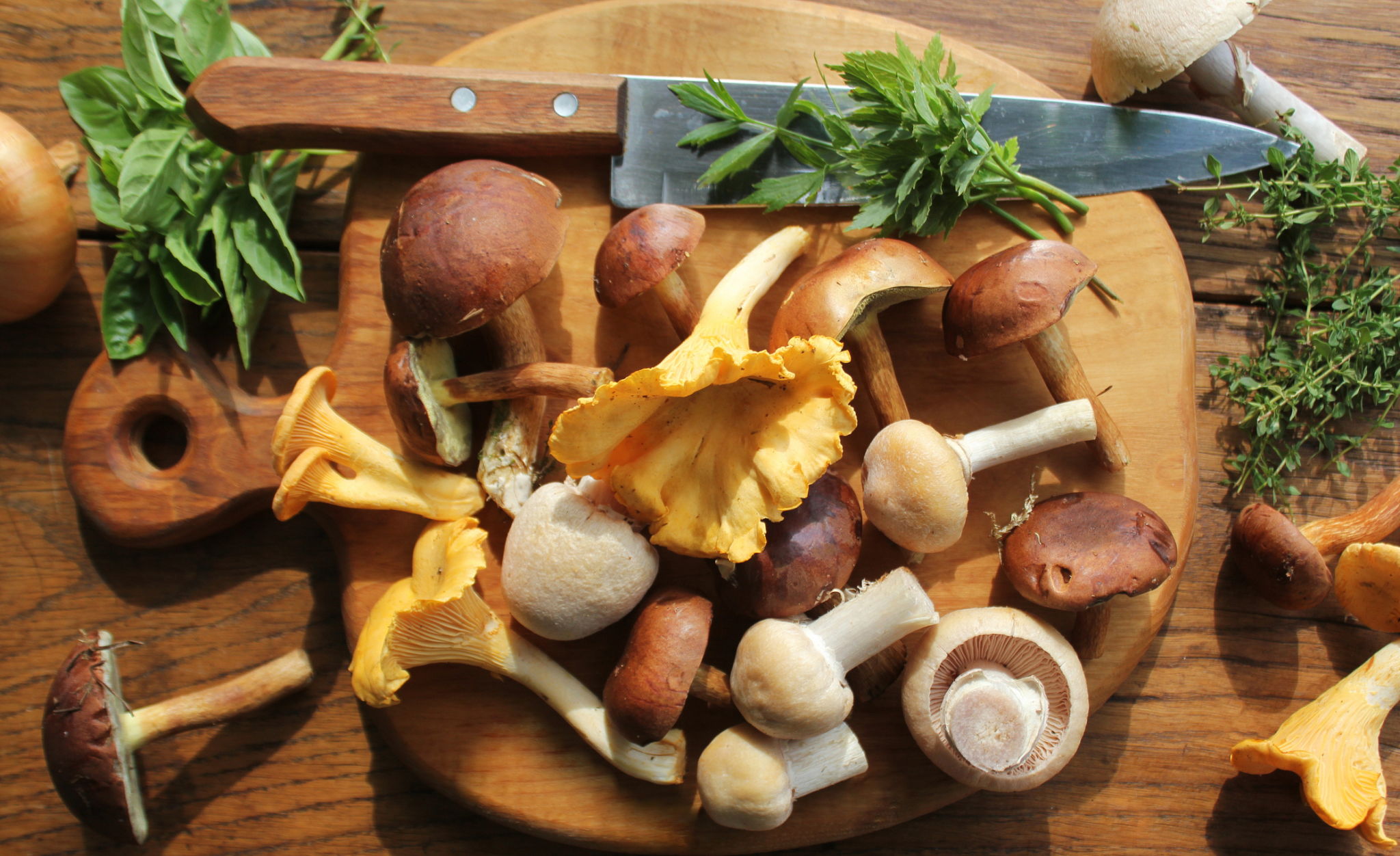
Autumn is a season of harvest and preparation, marking a shift to more grounding botanicals. Mushrooms, such as reishi and chaga, are gaining attention for their adaptogenic properties, helping to balance stress and enhance the immune system. These fungi are often brewed into teas or added to smoothies.
Roots like turmeric and ginger become staples during this time, known for their warming qualities and anti-inflammatory benefits. These spices are integral to many cultural cuisines and are increasingly used in wellness products like golden milk and herbal supplements.
Winter: Nurturing and Restoring
Winter's chill encourages a focus on nurturing and restoration. Botanicals like ashwagandha and holy basil, known for their adaptogenic properties, are popular choices for supporting mental health and resilience. These herbs help combat winter blues and promote relaxation.
Another winter trend is the use of spices like cinnamon and cloves, which offer both flavor and health benefits. These spices are integral to warming drinks and dishes that provide comfort and wellness during colder months.

Conclusion: A Global Perspective
Ethnobotanical trends offer a window into the diverse ways cultures interact with plants throughout the year. As interest in natural remedies and sustainable living grows, these seasonal trends highlight the importance of reconnecting with traditional knowledge. By embracing the benefits of these plants, we not only enrich our lives but also contribute to the preservation of cultural heritage.